StubHub is a legitimate marketplace where fans can buy and sell event tickets. It’s one of the largest platforms of its kind and has been operating for over two decades.
However, StubHub isn’t risk-free. Since it connects you with third-party sellers rather than selling tickets directly, the experience carries real risks like unfair prices, exorbitant fees, and scammers impersonating the platform.
This guide covers how StubHub works, where ticket scams tend to happen, and what you can do to protect both your money and your personal information before purchasing tickets online.
What is StubHub?
StubHub is an online ticket marketplace where fans buy and sell tickets to concerts, sports matches, theater performances, and other live events. Unlike primary sellers like Ticketmaster, which distribute tickets directly from event organizers, StubHub operates as a resale platform.
StubHub doesn’t sell tickets on its own. Instead, it earns money by charging service and fulfillment fees to both buyers and sellers on each transaction. Ticket sellers — often other fans — list their tickets and set their own prices based on demand, seat location, and how close the event date is.
This model gives buyers access to event tickets that may already be sold out on official channels. It also means ticket prices on StubHub can be higher or lower than face value, depending on supply and demand for a particular event.
Founded in San Francisco in 2000, StubHub and its sister company Viagogo are available to customers in over 200 countries and territories, supporting more than 30 languages and accepting payments in more than 45 currencies. The company’s headquarters are in New York City, and it’s currently the largest ticket exchange in the USA.
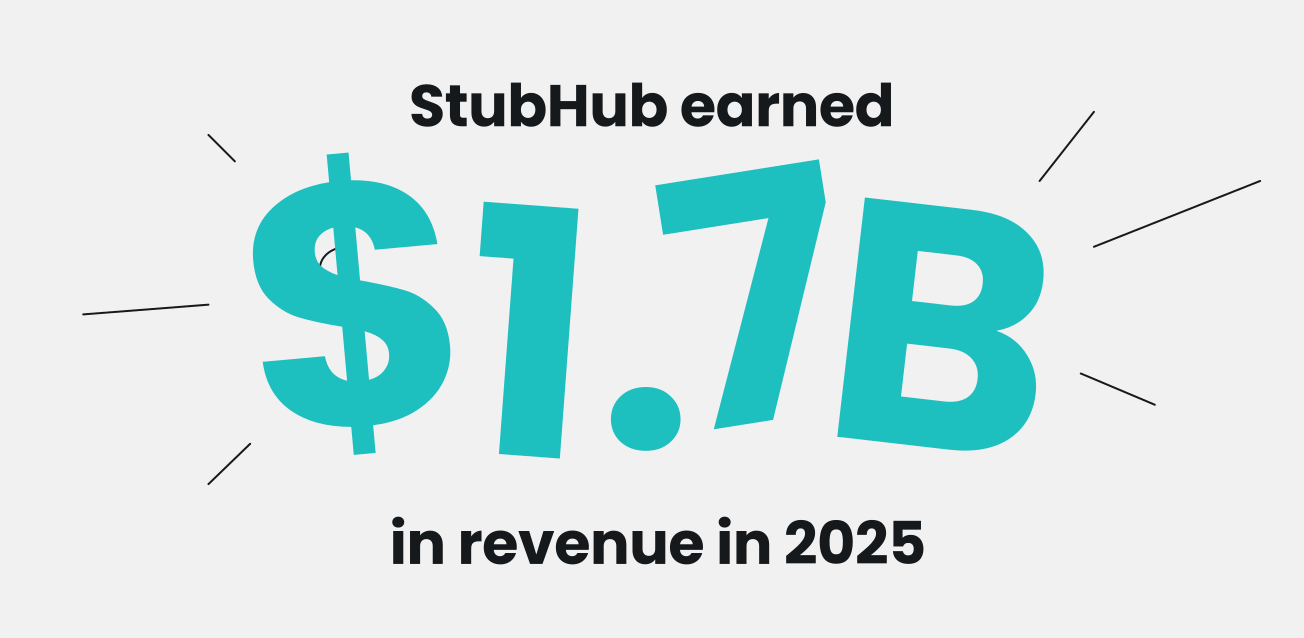
In 2025, StubHub earned $1.7B in revenue. It’s neither a scam nor a fly-by-night website, but understanding the resale model helps explain why buyer caution still matters.
Is StubHub legit?
StubHub is a legitimate business. It’s legally registered, widely recognized, and has processed millions of transactions. It’s worth noting that StubHub paid $10M to settle FTC (Federal Trade Commission) charges related to fee transparency — not ticket fraud — in April 2026. If anything, this confirms that it adheres to regulations and is subject to oversight by authorities.
That said, legitimacy and marketplace risk are two different things. StubHub itself is trustworthy, but because it connects with independent ticket sellers, the platform relies on those sellers to list valid tickets and provide accurate information.
Most do, but some don’t. That gap is where occasional problems arise and where safeguards like StubHub’s buyer protection become important.
Pro tip: Before using StubHub, you should know that its service and fulfillment fees can add a significant amount to your total at checkout. This often catches buyers off guard. If anything goes wrong with your purchase, reaching customer service can also be frustrating. It’s not uncommon for users to report long wait times and limited resolution options, especially during peak times right before an event.
None of this makes StubHub a scam, but it means you should have realistic expectations.
Are StubHub tickets legit?
The vast majority of StubHub tickets are real. The platform requires sellers to list valid tickets with correct details, including the event date, venue, section, and seat numbers. Tickets are typically delivered digitally via mobile transfer or QR codes, reducing the risk of counterfeit paper tickets.
When issues arise, StubHub’s FanProtect Guarantee is designed to cover buyers. The policy promises:
- Your tickets will be valid for entry;
- You’ll receive your tickets in time for the event;
- If anything goes wrong, StubHub will either provide comparable or better tickets or issue a full refund;
- For canceled events that aren’t rescheduled, you can choose between a full refund or a 120% StubHub credit.
It’s a meaningful safety net, but it only works when you purchase tickets through the official StubHub website or app. Like with most buyer protection programs, transactions that happen off-platform through social media, messaging apps, or unofficial links aren’t covered.
Can you get scammed when buying tickets online?
Scams targeting online ticket buyers exist, but they don’t happen on platforms like StubHub. They happen around them.
Scammers know that millions of people search for event tickets every day, and they exploit that demand in several ways:
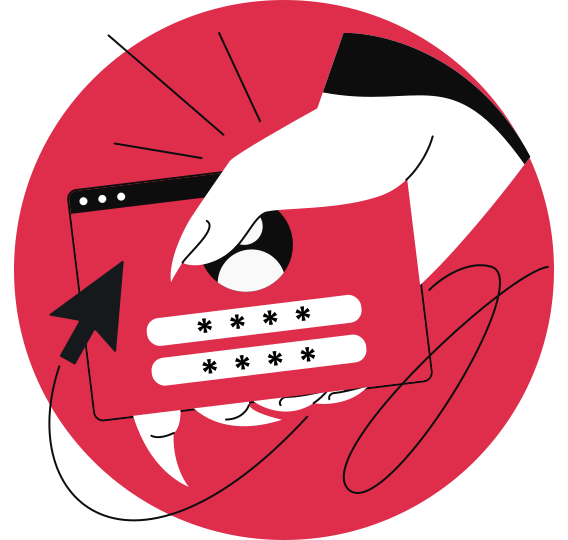
- Phishing emails: fake order confirmations or account alerts that mimic StubHub’s branding. Clicking links in these messages leads to credential-harvesting pages;
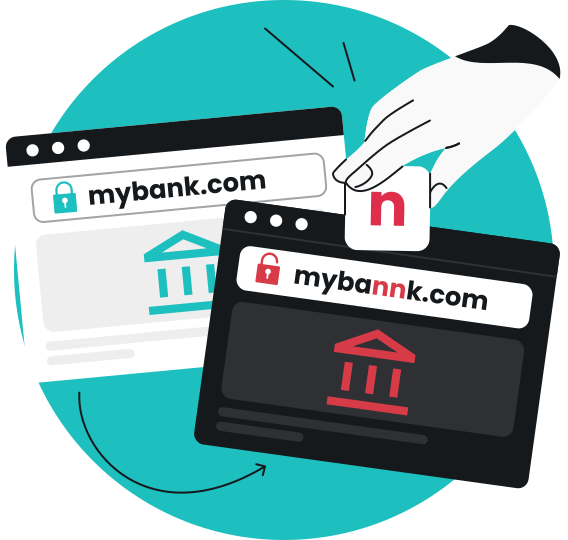
- Fake ticket websites: lookalike sites with slightly altered or misspelled URLs (think stubhub-tickets or stubbhub) that collect payment details without delivering anything;
- Fake customer support: scammers publish phone numbers or email addresses that can appear in your search results. They pose as StubHub support to extract your account login or payment information;
- Social media sellers: accounts on X, Instagram, or Facebook that offer tickets at steep discounts with no buyer protections and no way to verify the seller. If it seems too good to be true, it usually is;
- Payment app scams: sellers who ask you to pay through Venmo, Zelle, or Cash App to avoid platform fees. By taking you off sites like StubHub, they also strip you of any buyer protections you may have been entitled to.
The pattern is consistent: scammers pull you away from an official marketplace with verification to an environment that doesn’t. Similar tactics target buyers on online platforms such as Shein, Vinted, and TikTok Shop, which sell everything from fashion to electronics.
How to buy tickets safely on StubHub
Buying tickets on a reputable resale platform like StubHub is straightforward when you follow a few basic steps:
- Go directly to stubhub.com or use the official app: don’t follow links from emails, ads, or social media posts. Type the URL yourself or open the app from your mobile device.
- Verify the event details: confirm the event date, venue, section, and seat numbers match what you expect before you purchase tickets.
- Review the full cost at checkout: StubHub fees are added during checkout. Check the order summary so the total cost isn’t a surprise.
- Avoid off-platform payments: if a seller contacts you and asks to complete the transaction outside Stubhub, it’s likely a scam. StubHub handles all payments directly. If you pay with a payment app, wire transfer, or gift card, you lose access to the platform’s built-in buyer protections.
- Save your order confirmation: screenshot or save the confirmation email. If any issues arise on the day of the event, you’ll need your order details to get official support.
- Check delivery timing: some sellers don’t ship tickets until closer to the event date. Review the estimated delivery window so you’re not left waiting.
- Use a VPN (Virtual Private Network) when on the go: if you’re purchasing tickets while on public Wi-Fi in places like hotels or coffee shops, a VPN like Surfshark can provide extra security. It encrypts your connection so your payment details and login credentials can’t be intercepted. It also keeps your browsing activity private from advertisers and third parties tracking your online shopping habits.
How to spot fake StubHub websites
Fake websites are one of the most common tools scammers use to steal money and personal data from ticket buyers. Here’s what to look for:
- Misspelled or unusual URLs: you can access the real StubHub at stubhub.com or through the official StubHub app. Any domain with extra letters, hyphens, or different extensions (like .net, .tickets, or .shop) is a red flag;
- Missing HTTPS: legitimate e-commerce sites use encrypted HTTPS connections. If the padlock icon is missing in your browser’s search bar, don’t enter any information;
- Suspicious design quality: fake sites often have slightly-off logos, broken formatting, or outdated page layouts. Compare what you see to official StubHub branding;
- Pressure tactics: pop-ups claiming Only 2 tickets left! or countdown timers designed to rush you into paying are hallmarks of scam sites;
- Unexpected login requests: if you land on a page that immediately asks for your StubHub account credentials without you actually trying to log in, your best bet is to just close the tab.
These signs aren’t unique to ticket scams. They follow the same playbook used to impersonate e-commerce marketplaces of all kinds, and the defense is always the same: slow down, verify the URL, and trust your instincts.
Common ticket scams to watch out for
Ticket buyers should be aware of these specific schemes:
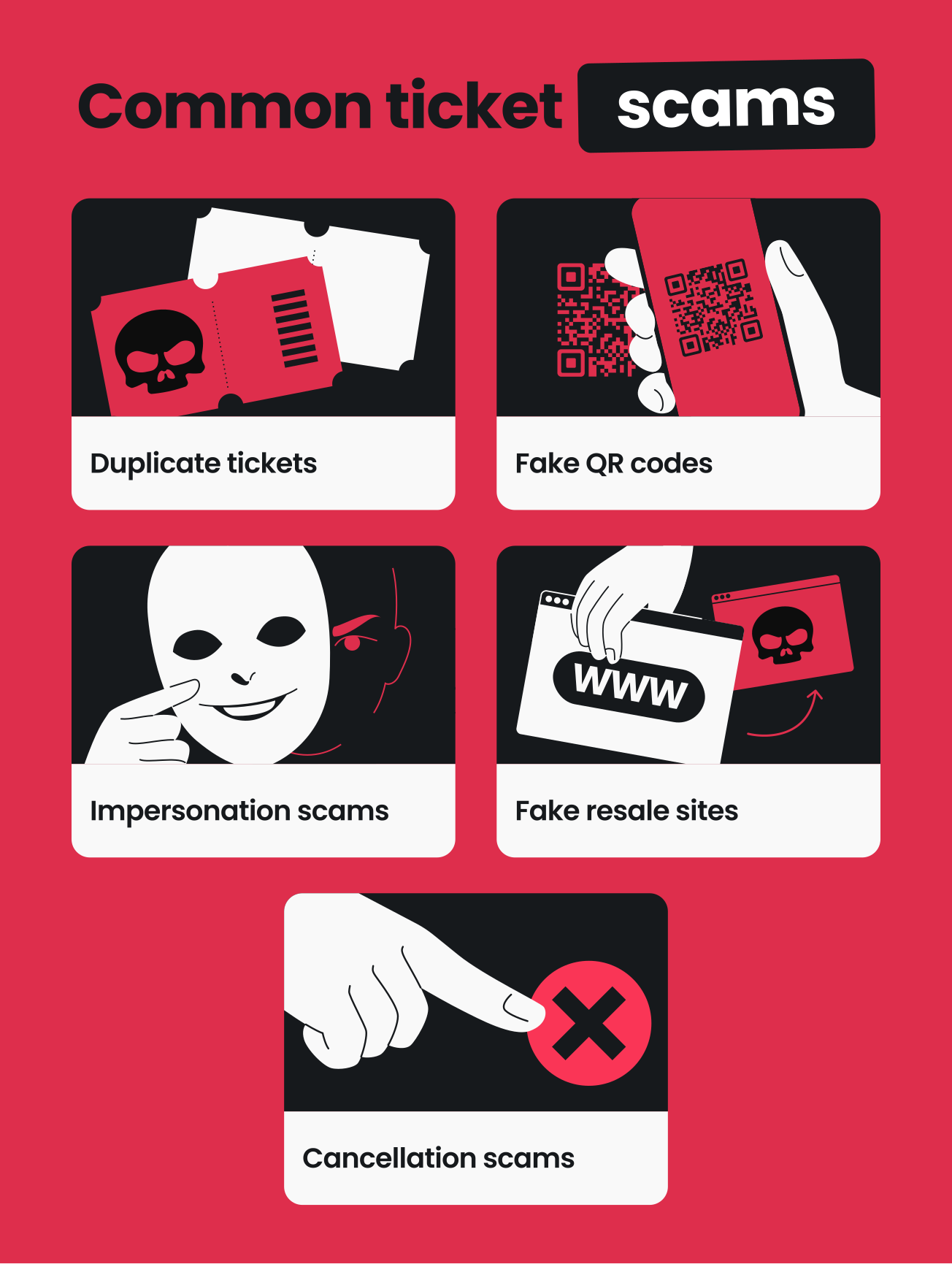
- Duplicate tickets: a seller lists the same ticket on multiple platforms. The first buyer to scan the barcode gets in, while the others get turned away at the venue;
- Fake QR codes: scammers generate QR codes that look real but don’t correspond to any actual ticket listing. These are usually sold through social media or messaging apps;
- Impersonation scams: someone pretends to be a friend, a known reseller, or even a StubHub customer service agent to trick you into sharing payment details;
- Fake resale sites: entire platforms are built to look like legitimate ticket marketplaces that take your payment and vanish;
- Cancellation scams: a seller tells you the event has been canceled or rescheduled and asks you to accept a refund through an unofficial channel. They then use this interaction to steal your payment information.
The safest approach is to buy tickets through established platforms that offer buyer protections and to verify any communication through official channels.
How scammers steal ticket buyers’ personal information
Ticket scams aren’t always about tickets. Sometimes, they’re just the bait.
When you purchase tickets online, you typically need to provide your name, email address, payment details, and, in some cases, your physical address. Scammers can target this information by using:
- Phishing pages: fake login screens that capture your email and password. If you reuse those credentials across other sites, the damage can multiply;
- Payment skimming: fake checkout pages that capture your credit card number, expiration date, and CVV;
- Account takeover: once a scammer has your StubHub account login, they can change your email, make purchases, and lock you out;
- Data harvesting for identity theft: combined personal details can be packaged and sold on the dark web. This can include your name, email, payment info, and event attendance patterns.
How to protect yourself when buying tickets online
The following safety habits apply whether you’re buying tickets on StubHub, Ticketmaster, or any other platform:
- Use strong, unique passwords: your StubHub account password should be different from every other login you use. You can use a password manager to help out;
- Enable MFA (Multi-factor Authentication): if the platform offers MFA, turn it on. Even if someone has your password, MFA makes it significantly harder for them to access your account;
- Pay with a credit card: credit cards offer stronger fraud protection and chargeback rights compared to debit cards, payment apps, or wire transfers;
- Avoid buying tickets on public Wi-Fi: open networks at airports, hotels, or coffee shops are easy targets for attackers. If you need to make a purchase on the go, using a VPN for online shopping is always a safer idea;
- Verify the website before entering any information: check the URL, look for HTTPS encryption, and compare the site to the official version if anything feels off;
- Keep your software updated: browser and operating system updates often include security patches that protect against known exploits;
- Arm yourself with anti-scam tools: consider using a suite of tools to catch threats before they reach you. This can include solutions that focus on dark web monitoring, phishing blockers, and identity theft protection. The more layers between you and a scammer, the harder you are to target.
Pro tip: Beyond its reliable VPN service, Surfshark bundles several anti-scam tools into one convenient package. With Surfshark One+, you can enjoy:
- Email masking for untrusted sign-ups;
- Identity theft coverage with up to $1M reimbursement;
- Dark web monitoring for leaked emails and credit cards;
- A web content blocker that filters phishing and malicious sites;
- Personal data removal from hundreds of broker sites via Incogni.
What to do if you think you’ve been scammed
If you received invalid tickets, were charged without receiving confirmation, or entered your details on a suspicious website, you may have been scammed.
If anything doesn’t look right, act quickly by taking the following steps:
- Contact StubHub support: if you purchased through StubHub’s official platform, the FanProtect Guarantee may cover your order. Reach out through the app or website.
- Contact your bank or credit card company: report the charge as fraudulent and request a chargeback. The sooner you do this, the better your chances of recovery.
- Change your passwords: if you entered your credentials on a suspicious site, change your StubHub password immediately. Do the same for any other accounts that use the same password.
- Monitor your financial accounts: check your bank and credit card statements for unauthorized charges over the next several weeks.
- Report the scam: file a report with the FTC.
Key takeaway: use StubHub smartly
StubHub is a legitimate, well-established ticket marketplace backed by robust buyer protections. For most fans, it’s a reliable way to find tickets to sold-out matches, concerts, and other popular events.
The real risks usually exist outside the platform in phishing emails, fake websites, and off-platform sellers who bypass every protection the marketplace offers. Follow basic online safety habits, such as using a VPN like Surfshark, to help keep your money and data safe.
Buying tickets online should be exciting, not stressful. Browse more securely with Surfshark today.
Lock down your connection. Lock in your seats.
Shop smarter and browse safer with Surfshark
Get SurfsharkFAQ
Are tickets on StubHub guaranteed?
StubHub’s FanProtect Guarantee covers every order made through the platform. If your tickets are invalid or don’t arrive in time for the event, StubHub will find you comparable or better tickets or issue a full refund.
This guarantee applies only to tickets purchased through the official StubHub app or website, not through third-party links or off-platform transactions.
Is StubHub as reliable as Ticketmaster?
Both StubHub and Ticketmaster are legitimate, but they serve different purposes. Ticketmaster is a primary ticket seller that works directly with event organizers. StubHub is a secondary marketplace where fans can resell tickets they’ve already purchased.
For sold-out events, StubHub often has tickets that are no longer available on Ticketmaster.
Are there fake listings on StubHub?
StubHub requires sellers to list valid tickets with accurate information, and sellers who violate these policies face penalties. However, because StubHub is an open marketplace, occasional bad actors do slip through. The FanProtect Guarantee is designed to cover buyers in these situations.
Before buying tickets, it’s a good idea to verify the event date, venue, section, and seat numbers.