Vinted is generally safe for buying and selling secondhand items. The platform has various safeguards in place, including secure payments and Buyer Protection.
That said, like any online marketplace, it’s not entirely immune to scams or fraudulent activity. So it’s still important to follow basic safety practices. Here’s what you should know before you start shopping for secondhand items on the platform.
What is Vinted?
Vinted is an online marketplace where you can buy and sell secondhand goods, mainly fashion items like clothing, shoes, and accessories.
Founded in 2008 in Lithuania, Vinted now operates in 26 markets. The Vinted Group — which includes Vinted Marketplace, Vinted Go (its logistics and shipping arm), and Vinted Pay (its in-app payment solutions) — was valued at €8 billion in April 2026.
The marketplace started out focused on secondhand clothes, but it has since expanded what you can buy and sell. Depending on where you’re based, you might also find non-clothing items like electronics, kitchen appliances, sporting goods, and more. It also allows sellers to list brand-new items.
Vinted operates as a C2C (Consumer-to-Consumer) marketplace, meaning you’re buying from another user rather than a business or retailer. Vinted merely acts as the middleperson — providing the platform, payment system, and other necessary infrastructure.
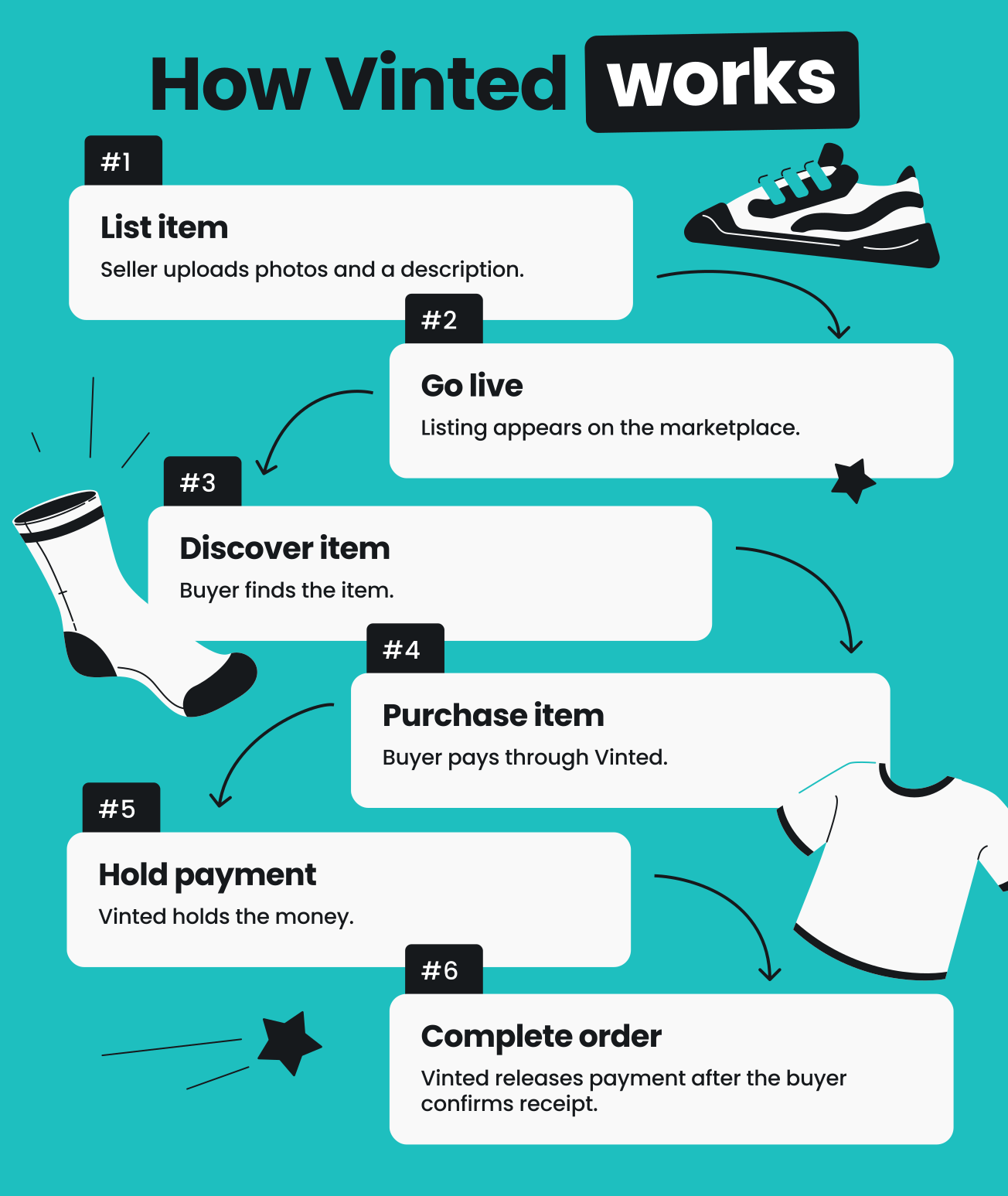
Selling is simple: you upload photos, write a description, set your price, and select a shipping option to create a listing. Once the listing goes live, other users can find it by browsing or searching by category, size, brand, condition, or price.
And when you buy something, you don’t pay the seller directly. Instead, the money goes through Vinted, which holds it until you receive the item and confirm everything is as expected.
Is Vinted safe?
Yes, Vinted is generally considered a safe platform for buying and selling new or secondhand clothing and other items. The marketplace has millions of users and over 2,000 employees worldwide.
Vinted also doesn’t leave users to their own devices. It does its part by providing several built-in protections, such as secure payments, Buyer Protection, and dispute resolution.
Even so, like any other online marketplace, safety still depends on user behavior. The platform can provide multiple safeguards, but you’ll still need to stay alert and take a few sensible precautions of your own.
Is Vinted legit or a scam?
Vinted is a legitimate company and not a scam platform. It has been around since 2008 and has offices across Europe, including in Vilnius, Berlin, and London. The platform is trusted by millions of users across more than 20 markets worldwide.
That said, like any peer-to-peer marketplace, Vinted can’t fully escape all security risks. Even with its built-in safeguards, individual users may still attempt to scam others and take their money.
How does Vinted protect buyers and sellers?
Vinted includes a number of built-in protections to make buying and selling safer and more reliable for both parties. Let’s run through some of the main ones.
Secure payments
On Vinted, money doesn’t go straight from buyer to seller. Instead, all payments go through the platform’s internal system, which holds the funds until you receive your order and give it the all-clear. It’s a simple setup, but it helps reduce the risk of issues like non-delivery or payment disputes.
Buyer Protection
When you check out via Vinted, the platform automatically adds a Buyer Protection fee. This fee is mandatory and calculated based on factors like order value, order type, and item characteristics. In return, Vinted’s Buyer Protection provides a refund if your item doesn’t arrive, arrives damaged, or isn’t as described.
Integrated shipping and tracking
Vinted’s integrated shipping system provides several tracked delivery options and automatically generates shipping labels. This means both the buyer and seller can track the parcel’s movement in real time. And since tracking is built into the system, it’s also easier to confirm when something has been sent and delivered.
Dispute and refund processes
If there’s a problem with an order, Vinted has a clear dispute process. Both the buyer and seller can share evidence like photos, tracking updates, or item descriptions to support their case. Vinted then reviews everything and makes a decision. In eligible cases, the buyer may be offered a return and a full or partial refund.
Is Vinted safe for buyers?
Yes, Vinted is generally safe for buyers, as long as you stay cautious when shopping.
Buyer Protection applies to every purchase made through the platform. This helps you get a refund if your item doesn’t arrive, arrives damaged, or is SNAD (Significantly Not As Described).
On your part, it’s still important to do a quick check before you make your purchase. Review the seller’s profile — including ratings and reviews from other buyers — and pay attention to the product photos and description so you know exactly what you’re buying.
Is Vinted safe for sellers?
Just like with buyers, Vinted is usually safe for sellers. But the same rule applies — stay alert when you’re selling online.
Payments are protected through the platform. When a buyer pays, Vinted holds the money until the item is confirmed as delivered. This ensures that you get paid once the sale is completed. Shipping is also tracked through Vinted’s integrated system, which helps confirm when an item has been sent and delivered, minimizing the chances of disputes.
When you’re selling on Vinted, watch out for fake buyers or suspicious requests. Always document your shipped items with photos and tracking details, especially if you sell high-value items.
Common Vinted scams and how to avoid them
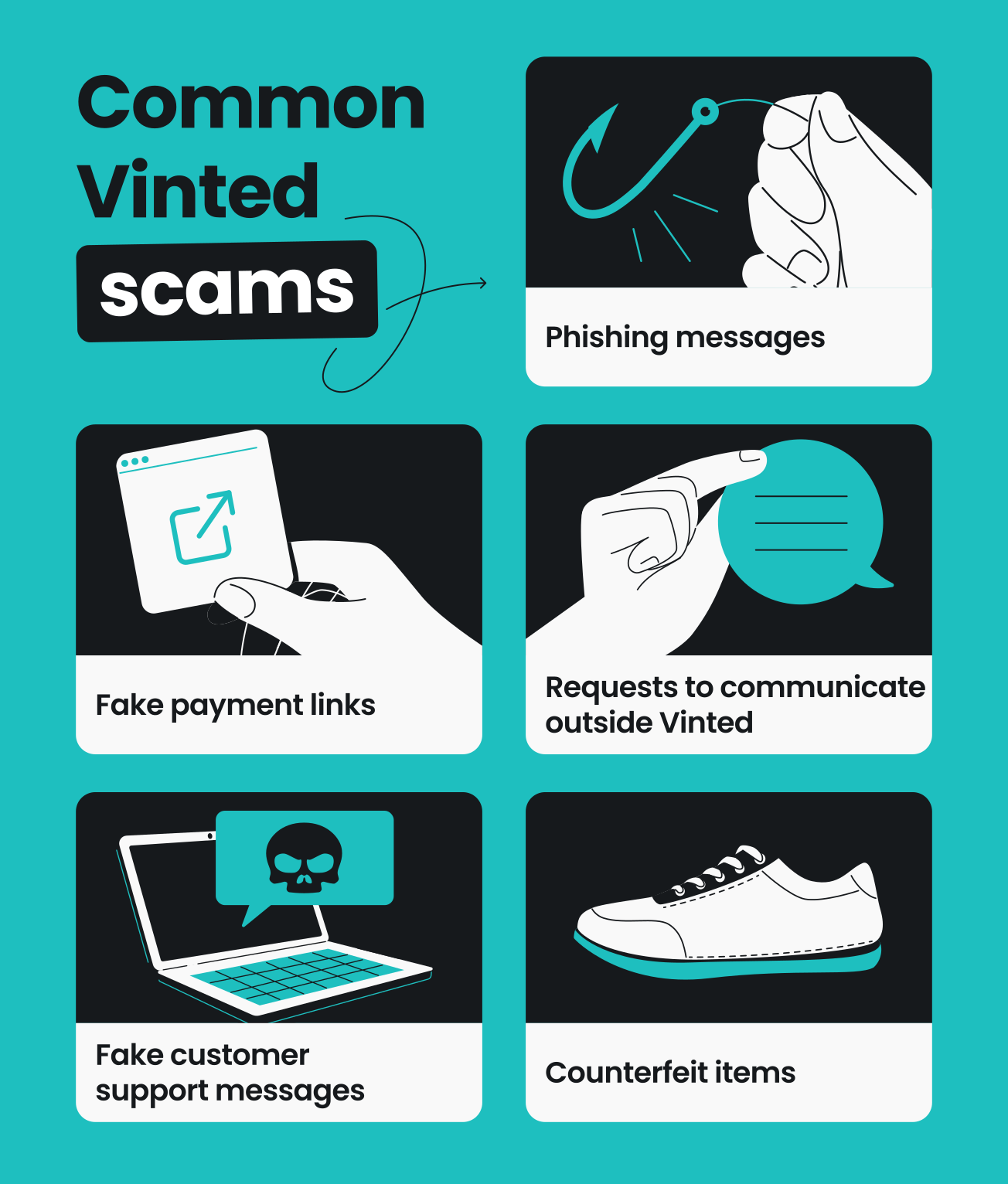
Like other online marketplaces, Vinted sees its fair share of scam attempts. Here’s a rundown of some of the most common scams you might encounter on the platform.
Phishing messages
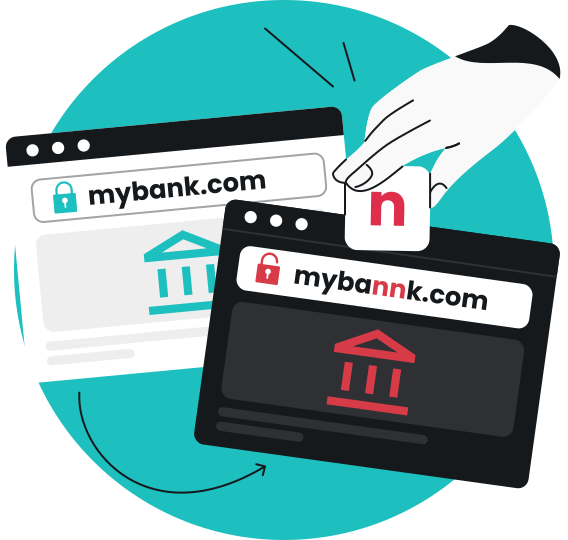
On Vinted, scammers may send phishing messages to trick you into sharing sensitive info like your login or payment details. These messages are often disguised as account verification requests, payment confirmations, or delivery tracking updates. In most cases, they include a link that takes you to a fake login or payment page where fraudsters can steal your data.
Fake payment links
These scams target both Vinted sellers and buyers. Buyers are sent links asking them to complete a purchase, while sellers are told that payment has already been made and are asked to confirm receipt by clicking a link. In both cases, the links typically lead to fake payment pages where bad actors can capture your financial details.
Requests to communicate outside Vinted
You might also run into scammers who try to move the conversation away from Vinted to other platforms like email, WhatsApp, or social media apps. They often promise lower prices or faster payment if you continue outside Vinted. The goal is simple: get you off Vinted so they can scam you without any safeguards.
Fake customer support messages
These messages impersonate Vinted’s support team and may falsely claim there’s an issue with your account, a pending payment, or uncollected funds. They often look official, using language similar to real Vinted support communications. They also usually include instructions to click a link to fix the issue or to provide personal information or login credentials for verification.
Counterfeit items
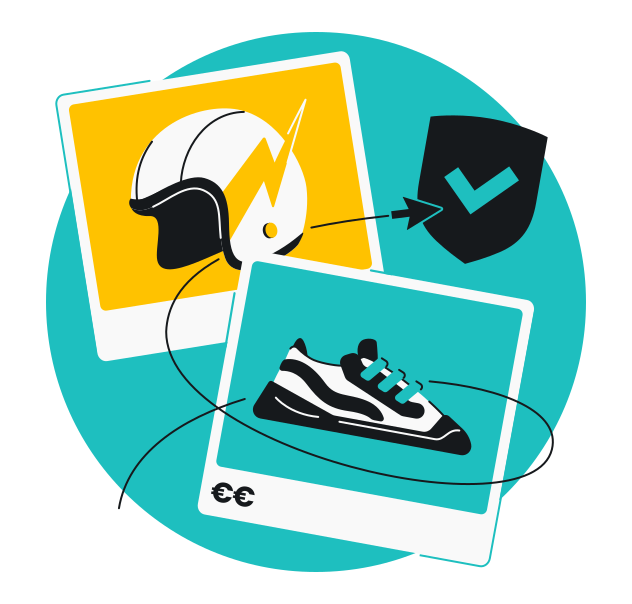
Counterfeit scams involve listings where the item is not genuine but is presented as authentic. You’ll see this a lot with high-demand pieces like designer items, limited-edition sneakers, or niche accessories. To make the listing appear legitimate, the scammer may use stock images, heavily edited pictures, or photos taken from the item’s original website.
How to use Vinted safely
There’s no way to guarantee you won’t encounter problems or run into scams on Vinted. But you can stack the odds in your favor by taking a few simple precautions.
This is where to start:
Keep communication on-platform
The number one rule is to keep all communication and transactions on Vinted. When you stay on-platform, Vinted can:
- Hold your payment until the order is completed;
- Get involved if a dispute comes up;
- Review messages and order details when needed;
- Enforce buyer and seller protection policies.
If a buyer or seller tries to move the conversation outside Vinted, that’s usually a red flag, as it’s much harder to resolve issues off-platform.
Use Vinted’s in-app payments
Always pay through Vinted’s Buy now button. It’s what ensures Buyer Protection applies if anything goes wrong.
Paying outside the platform — whether it’s by cash, bank transfer, or PayPal — removes that safety net. That means you’ll have no reliable way to dispute issues like items not arriving or not matching the listing.
Check seller reviews
Spend a few minutes looking at the seller’s profile, history, and reviews. Pay particular attention to the account creation date, number of completed sales, star ratings, and feedback received. In addition to the quality of the item, keep an eye out for comments about shipping, communication, and overall reliability.
While not definitive proof of a scam, it’s still a sign to tread carefully if the seller has a new account, an incomplete profile, or multiple negative reviews.
Avoid suspicious links
Be very careful if a seller sends you links through Vinted messages. These links may look like they lead to checkout pages, shipping updates, or verification steps. But in reality, they often redirect you to fake payment pages, bogus login screens, or malicious third-party sites designed to steal your data. If in doubt, don’t click it.
Verify listings
Double-check listing details before you hit the Buy now button. Scan the photos, read the descriptions, go over the size charts, and note the item’s condition. While you’re at it, check whether the images look like they actually belong to the seller or if they appear to be stock or reused content. If something feels unclear, ask the seller for more details or additional photos.
Report suspicious users
The Report button is there for a reason — don’t hesitate to use it if you ever come across anything suspicious. This includes users who try to push you to deal outside the platform, send questionable links, or behave in ways that feel off. It’s always better to report early so Vinted can investigate. This also helps protect other users.
Here’s how to report a listing on Vinted:
- Go to the listing.
- Select the three horizontal dots or the flag icon, depending on your device.
- Select Report.
- Choose the reason for your report.
- Select Submit.
Safe vs. unsafe behavior on Vinted
Most exchanges on Vinted happen safely and without any issues. But occasionally, you may come across interactions that require a bit more caution. Here’s a simple breakdown of what’s generally safe versus what you should treat as a warning sign.
|
Safe behavior
|
Unsafe or suspicious behavior
|
|
Communicating through Vinted
|
Trying to move the conversation to email, messaging apps, or social media
|
|
Using Vinted’s official payment system
|
Pushing for bank transfers, cash payments, or other off-platform payment methods
|
|
Receiving updates through Vinted
|
Sending unexpected links for “verification” or “delivery confirmation”
|
|
Reporting issues to Vinted
|
Insisting on resolving disputes privately outside the platform
|
Protecting your privacy while using marketplace apps
Shopping apps can collect anywhere from 15 to 25 unique data types about you. So before you hunt for bargains on sites like Vinted, Shein, and more, make sure you’re not sharing more information than necessary.
Here are some tips on how to keep your personal data private while you buy and sell items online:
- Stick to the shopping platform’s in-app messaging instead of moving conversations to email or social apps;
- Opt for the platform’s official payment system to limit exposure of your financial details;
- Be cautious with links sent in chats, especially those asking for your login or payment info;
- Avoid sharing personal details like your phone number, address, or email unless it’s truly necessary;
- Review the platform’s privacy policy so you can get a clear picture of what data is collected and how it’s used;
- Use a VPN (Virtual Private Network) to encrypt your connection. VPN usage makes it harder for bad actors to intercept your data while buying and selling, especially on public Wi-Fi networks.
Stay safe on Vinted
Vinted is generally a safe and legitimate platform where you can buy or sell secondhand items, with strong buyer and seller protections in place. Still, it’s not completely free from scams and other security threats like phishing messages, fake payment links, and counterfeit items.
You can greatly reduce these risks by following a few basic online safety practices. Stick to Vinted’s in-app payments, check seller reviews, avoid suspicious links, and double-check listings before you buy.
For extra protection, you can also use a VPN like Surfshark. Shopping with a VPN helps keep your data secure, especially on public Wi-Fi.
FAQ
What are the risks of Vinted?
The main risk of Vinted is that you’re dealing with individual users rather than a traditional retailer. Bad actors might try to steal your money by asking to move payment off-platform, sending phishing messages and fake payment links, or listing counterfeit clothing items.
How trustworthy is Vinted?
Vinted is considered a trustworthy platform. It’s a legitimate Lithuanian company that has been operating since 2008 and is used by millions of people around the world to buy and sell clothes, electronics, and other products.
Is it safe to buy something on Vinted?
Yes, generally it’s safe to buy something on Vinted. The platform has various security measures in place to help make buying and selling safer, including secure payments, Buyer Protection, and dispute resolution.
However, Vinted isn’t completely without risks since it’s a C2C marketplace. That’s why it’s important to remain vigilant and follow basic safety practices.
Is Vinted USA safe to buy from?
Yes, it’s usually safe to buy from Vinted USA. The platform works the same way as in other markets.
That said, the usual peer-to-peer risks apply because you’re still buying from individual sellers. Like other regions, Vinted’s protections help reduce these risks, but they don’t eliminate ongoing issues like phishing messages, fake payment links, or counterfeit items entirely.