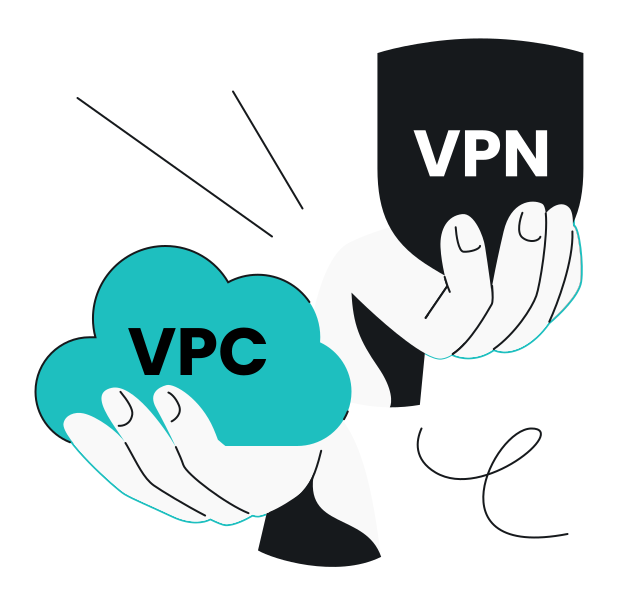
VPC and VPN are two terms frequently used in cybersecurity discussions today, but these technologies are easy to confuse.
This guide explains both sides of the VPC vs. VPN conversation, exploring the key differences and clarifying their unique use cases so you can decide which is best for you.
What is a VPC (Virtual Private Cloud)?
A VPC (Virtual Private Cloud) is a secure, isolated section of a public cloud computing infrastructure. It gives businesses and other organizations private network resources within a shared cloud environment.
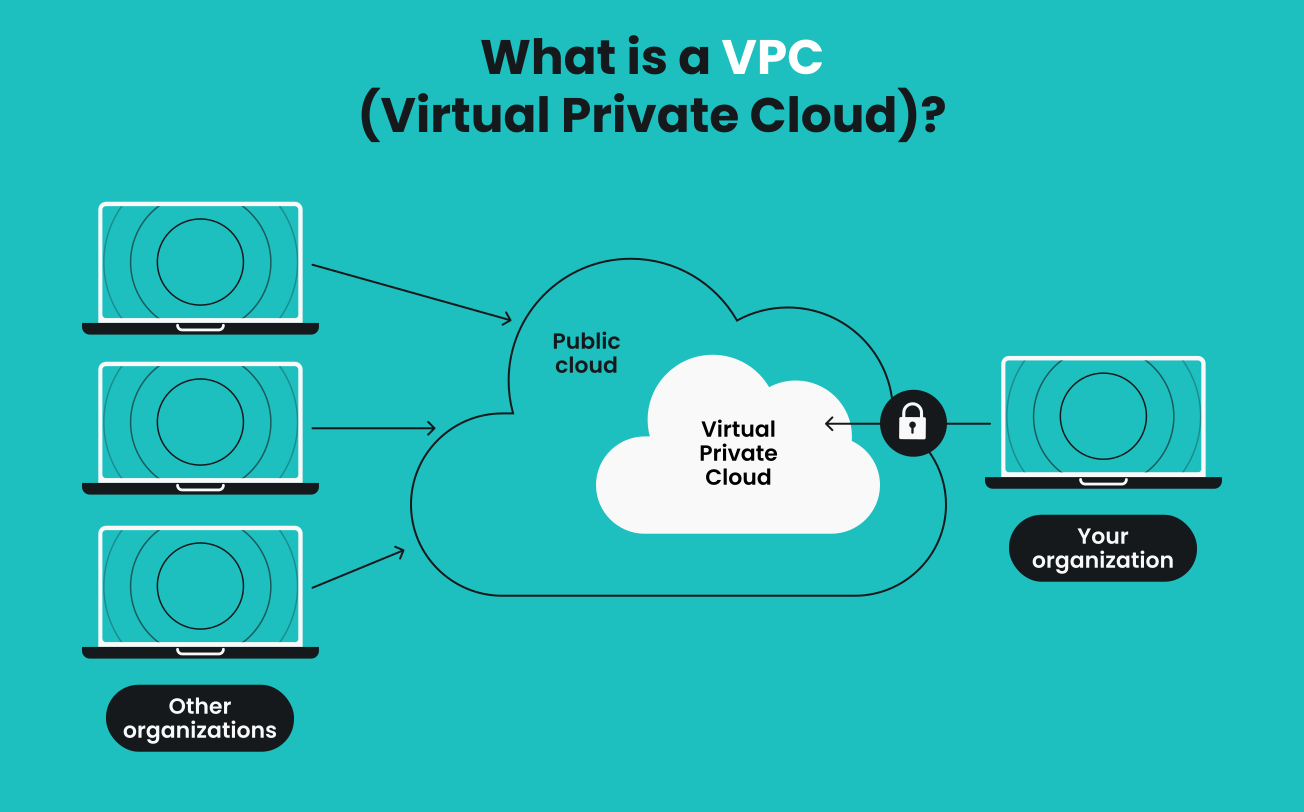
Think of a VPC like renting your own suite within a larger office building. You get the benefits of the building’s shared resources (electricity, security, maintenance) while having complete control over your dedicated space that other tenants can’t access.
A VPC lets companies host websites, run applications, and store data in the cloud while keeping everything secure from other users.
Key features of a VPC include:
- Network isolation: your VPC is completely separated from other users’ cloud resources;
- Customizable network infrastructure: you can configure your own subnets, network gateways, and IP (Internet Protocol) addresses;
- Enhanced security: you’re able to implement firewalls and access controls to protect your cloud environment;
- Scalable resources: a VPC lets you easily add or remove virtual servers and other computing resources;
- Hybrid connectivity: you can remotely connect your VPC to a corporate network or on-premises data center that’s physically located elsewhere.
VPCs are a popular choice for enterprises and developers who need a secure, scalable, and cost-effective cloud infrastructure. Leading VPC providers include Amazon AWS, Microsoft Azure, and Google Cloud Platform.
What is a VPN (Virtual Private Network)?
A VPN is a service that creates a secure, encrypted connection between your device and a VPN server. In routing your web traffic through this server, it masks your IP address, making it look like you’re accessing the internet from a different location.
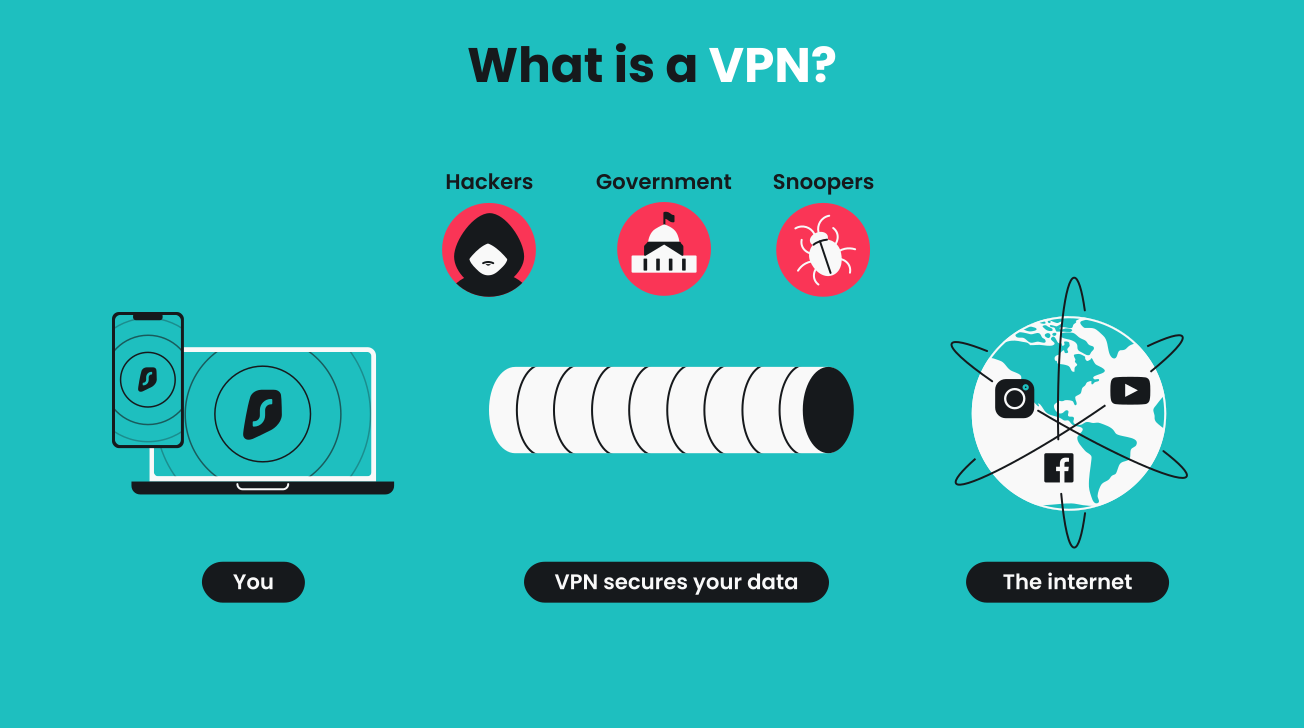
Key benefits of using a VPN connection include:
- Enhanced security: all your internet traffic is encrypted, protecting personal information from theft or interception;
- Online privacy: your real IP address and location are masked from websites and online services;
- Secure access: you get safer browsing, even on public Wi-Fi networks in places like cafes, airports, and hotels;
- Web access while traveling abroad: a VPN helps you access your favorite online content from back home when you’re traveling in another country;
- Safer remote work: remote employees can securely connect to corporate networks to send and receive sensitive files, messages, and more.
VPNs are commonly used by individuals who want more online privacy and people looking to secure their internet connection. An example of a popular VPN service is Surfshark, which offers VPN software that works on all major platforms.
Disclaimer: Please note that using Surfshark services for any illegal activities is strictly forbidden and violates our Terms of Service. Make sure that any use of Surfshark services for your particular activities conforms to all relevant laws and regulations, including those of any service providers and websites you access using Surfshark.
The differences between VPCs and VPNs
Understanding the key differences between a VPC vs. a VPN is crucial for choosing the right tool for your needs. While both technologies create secure, private networks, they fundamentally serve different purposes and target different users.
|
|
VPC
|
VPN
|
|
Main purpose
|
Private cloud infrastructure hosting
|
General internet privacy and security
|
|
Target users
|
Businesses and developers
|
Privacy-conscious individuals and remote workers
|
|
Use cases
|
Hosting apps, websites, and databases
|
Making internet browsing more private, securely accessing online content
|
|
Cost
|
Usually have variable costs based on usage
|
Usually offer affordable subscription fees that don’t depend on usage
|
|
Network scope
|
Isolated cloud environment
|
Device-to-server encrypted tunnel
|
|
Security focus
|
Infrastructure and resource protection
|
Internet traffic encryption
|
|
Technical complexity
|
High: requires technical expertise
|
Low: many VPN providers have user-friendly apps
|
Overall, a VPC provides businesses with an isolated cloud infrastructure for hosting apps and services, while a VPN makes everyday internet browsing safer for people like you or me.
VPCs offer greater security by giving organizations private access to network resources within a cloud environment. For VPNs, protection comes from encrypting internet traffic that moves between your device and a VPN server through a secure tunnel.
Setting up and using a VPC typically requires advanced technical knowledge. For VPNs, it’s the exact opposite. Many VPN services are simple, user-friendly solutions that enable users to connect with just a few clicks.
How to choose between a VPC and VPN
Choosing between a VPC vs. a VPN depends entirely on your specific needs and intended use. Here’s a simple guide to help you make the right decision.
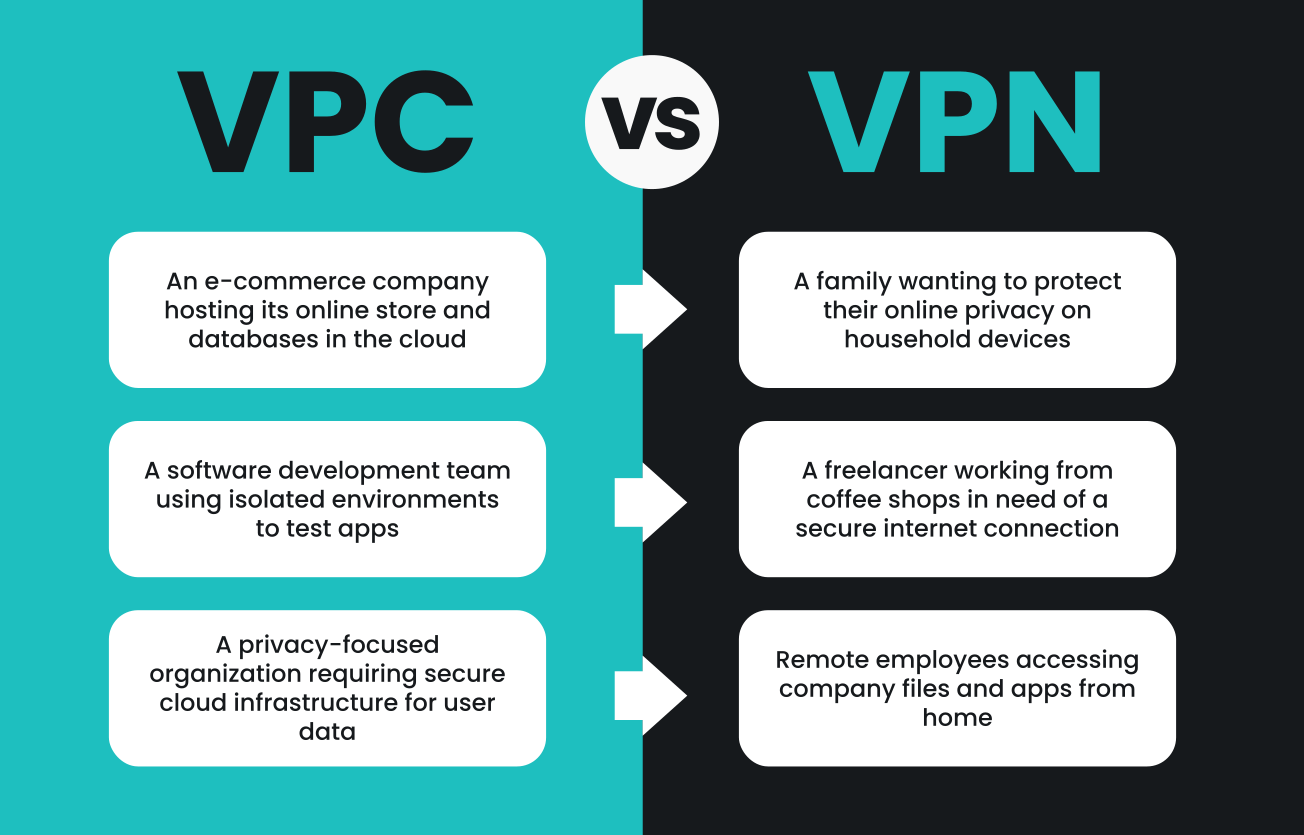
When to choose a VPC
A VPC is helpful when you need the following:
- Cloud infrastructure: you’re building apps, websites, or services that require scalable cloud computing;
- Business hosting: your organization needs things like dedicated servers or virtual machines in a secure cloud environment;
- Development environment: you need isolated server resources to test, stage, and develop apps;
- Hybrid cloud setup: you want to securely connect your on-premises network to cloud resources;
- Enterprise-grade control: you need full control over your network settings and security groups;
- Scalable solutions: you require flexible computing resources in case your infrastructure expands rapidly.
When to choose a VPN
A VPN can help with the following:
- Personal privacy: you’re trying to protect your browsing habits and personal data from tracking;
- Greater online security: you’re concerned about general internet security and safeguards against online threats;
- Simple setup: you prefer user-friendly tools that work across multiple devices;
- Public Wi-Fi protection: you want to use public networks with an encrypted connection;
- Safer access while abroad: you want to securely access websites and content from your home country while traveling internationally;
- Remote work: you need secure remote access to company resources while working away from the office.
Key takeaway: do you need a VPC or VPN?
For most users, the difference between VPC and VPN comes down to this: VPCs give cloud infrastructure for businesses, while VPNs offer internet privacy for individuals.
Both technologies serve important roles, but VPNs offer essential protection for most internet users. Tools like Surfshark bring you fast, secure, and affordable VPN protection — with unlimited simultaneous connections.
Enjoy a secure connection online by starting your Surfshark journey today.

Level up your online security with a VPN
Encrypt your traffic and mask your IP with Surfshark today
Get SurfsharkFAQ
What is the difference between VPC and VPN?
A VPC creates a private network within a public cloud, while a VPN creates a secure, encrypted connection between a device and a network, often over the internet.
Is a VPC better than a VPN?
Neither a VPC nor VPN is better than the other as they serve different purposes, and a VPC isn’t really a VPN alternative. A VPC is better for a business that needs cloud hosting infrastructure, while a VPN is better for people who need internet privacy and secure browsing.
What’s the difference between a VPC and peering?
A VPC itself is an isolated cloud environment, while VPC peering is a networking feature that connects two VPCs. Peering allows resources in different infrastructures to communicate as if they’re on the same network.
Think of VPCs as buildings and peering as bridges that connect these buildings.
What are the differences between a VPN and VPS?
A VPN (Virtual Private Network) encrypts your internet connections for privacy and security, while a VPS (Virtual Private Server) is a virtualized server for hosting apps or websites. VPNs protect your browsing activities, while VPSs provide dedicated server resources in a shared hosting environment.
While a VPN and VPS may sound similar, their basic purpose is different: VPNs are for internet privacy, while VPSs are for web hosting and app deployment.