cybersecuritycybersecurity statistics
Planning a vacation? Top countries to watch out for scams this travel season
As peak travel season is upon us, we analyzed Tripadvisor forums to uncover which countries experience the most and least discussion about scams. We focused on destinations with at least 2,000 forum topics and used data from 2020 onward, resulting in an analysis of 84 popular vacation destinations. Tripadvisor was chosen for its extensive user base and reputation as a trusted platform where travelers worldwide share authentic experiences, including scam concerns, across numerous destinations.
Key insights
- Our research reveals that Europe hosts 7 of the 10 most popular tourist destinations globally, with France leading at 102 million yearly tourist arrivals. Among the top countries in Europe, visitors to France discussed scams the most, with a scam topic ratio of 1.11%. In comparison, Spain, the second-most-visited country with 93.8 million arrivals, has only half the scam topic ratio of France at 0.54%. Greece, the safest among the top European destinations with 36M visitors, records a scam topic ratio nearly three times lower than France, at 0.35%. France’s higher rate may be linked to prevalent issues like pickpocketing or tourist-targeted overcharging in popular cities such as Paris, amplified by the sheer volume of visitors.
- In North America, Cuba stands out with the highest rate of scam-related discussions at 1.93%, followed by Mexico at 1.54% and Guatemala at 1.28%. Cuba’s rate may be linked to frequent reports of overpricing or fake guides in tourist areas like Havana. For comparison, the United States has an average rate of 0.41%, which is almost five times lower than in Mexico. However, New York is a notable outlier at 1.22%, which is three times the national average and is likely due to its high tourist volume and urban scams. Canada ranks among the safest at 0.32% and is comparable to countries like Norway and Finland.
- In Asia, Turkey, Japan, and Thailand rank as the top destinations for tourist arrivals, with Turkey leading at 60.6M annually, followed by Japan with 36.9M and Thailand with 35.5M. Among these countries, Japan stands out as an outlier, with the lowest scam discussion rate at 0.19%, making it one of the safest globally. In contrast, Thailand has a scam topic ratio of 1.16%, and Turkey stands at 1.09% — indicating that people discuss scams five to six times more often in these countries than in Japan.
- Overall, the African continent has the highest share of scam-related discussions, with 1.49% of all topics mentioning scams. South America follows at 1.13%, while Asia comes in at 0.91%. Europe and North America have nearly identical rates at 0.64% and 0.63%, respectively, and Oceania trails with the lowest rate at just 0.41%. Africa’s elevated rate may reflect unique challenges in popular tourist areas, such as street scams or overcharging in markets, or greater traveler awareness to report issues. This suggests that high-scam-discussion regions like Africa and South America could benefit from campaigns that educate visitors about safety measures.
- According to data reported to the Federal Trade Commission (FTC)1, losses from travel scams have surged dramatically, rising from $53 million in 2021 to nearly three times that amount, reaching $146 million in 2024. While full data for 2025 is not yet available, the total for the first three quarters was already 10% higher than the same period in 2024, with a median loss of $623 per person. Although these figures are based mainly on reports from United States citizens, they reveal a substantial economic impact. The steady rise in losses is a clear call for the tourism industry to take stronger action against scams, safeguarding both travelers and destination reputations.
Methodology and sources
This study collected data from the Tripadvisor forums. We gathered the total number of topics for each available country starting from 2020. The data collection took place between March 16 and March 20, 2026. After collecting all topics, we calculated the number of topics containing the keyword ‘’scam’’. Scam topic data was collected by year, while the total number of topics was summed from 2020 onward.
After gathering all of the data, we calculated the scam-topic ratio by dividing the total number of scam topics by the total number of topics. The results were recorded as percentages, with each country having a unique percentage. The US, Canada, and Mexico had data broken down by regions. For example, the US had data by state, so each state's unique data was collected and then combined as a sum.
We then identified which countries had the highest and lowest scam-topic percentages and provided regional comparisons. The specific content of the scam topics was not analyzed in this study, but we offered possible reasons why some countries had higher or lower scam-related discussion rates. Additionally, we removed countries with fewer than 2,000 topics to avoid biased results and to filter out more popular travel destinations.
Lastly, we analyzed Federal Trade Commission (FTC) data¹ by selecting the ‘’Travel, Vacations and Timeshare Plans’ category’, and the ‘’Vacation & Travel’ subcategory’. We examined financial losses reported to the FTC and made year-by-year comparisons starting from 2021.
For the complete research material behind this study, visit here.Data was collected from:
Tripadvisor. Forums.World Population Review. Most Visited Countries 2026.References:
¹ Federal Trade Commission. Fraud, ID Theft, and Other Consumer Reports. State Subcategories.Related articles:
 Sep 30, 2026
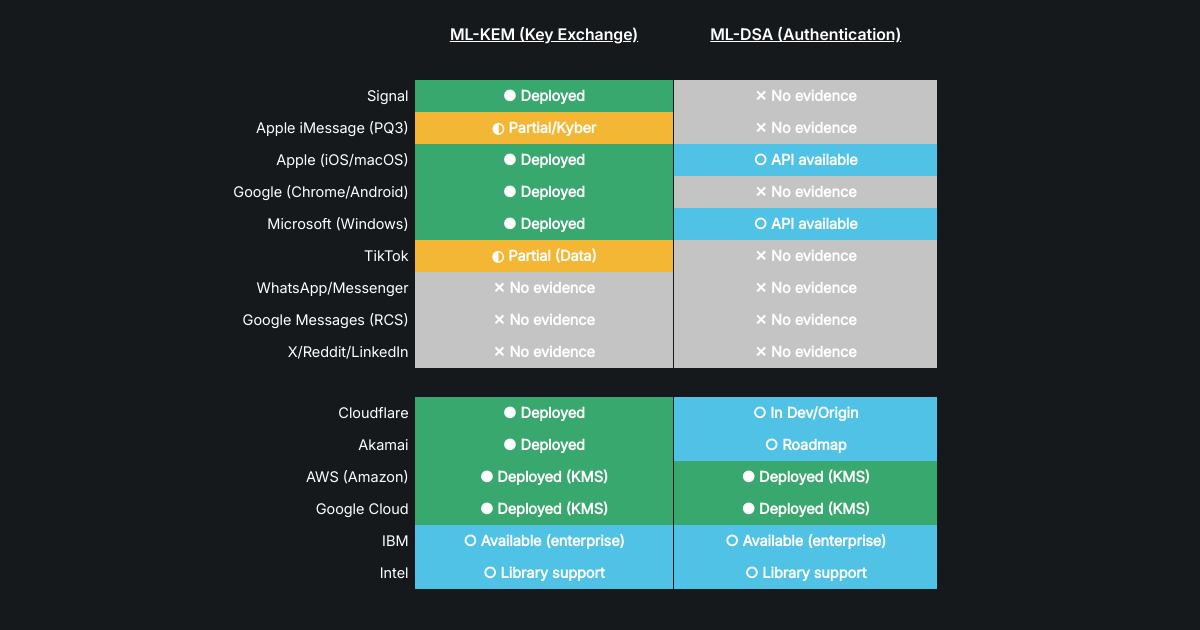
Ready for the quantum era? Where Big Tech's apps actually stand
Discover where Big Tech apps and infrastructure stand in the post-quantum era. While ML-KEM key exchange is widely deployed, ML-DSA authentication lags behind.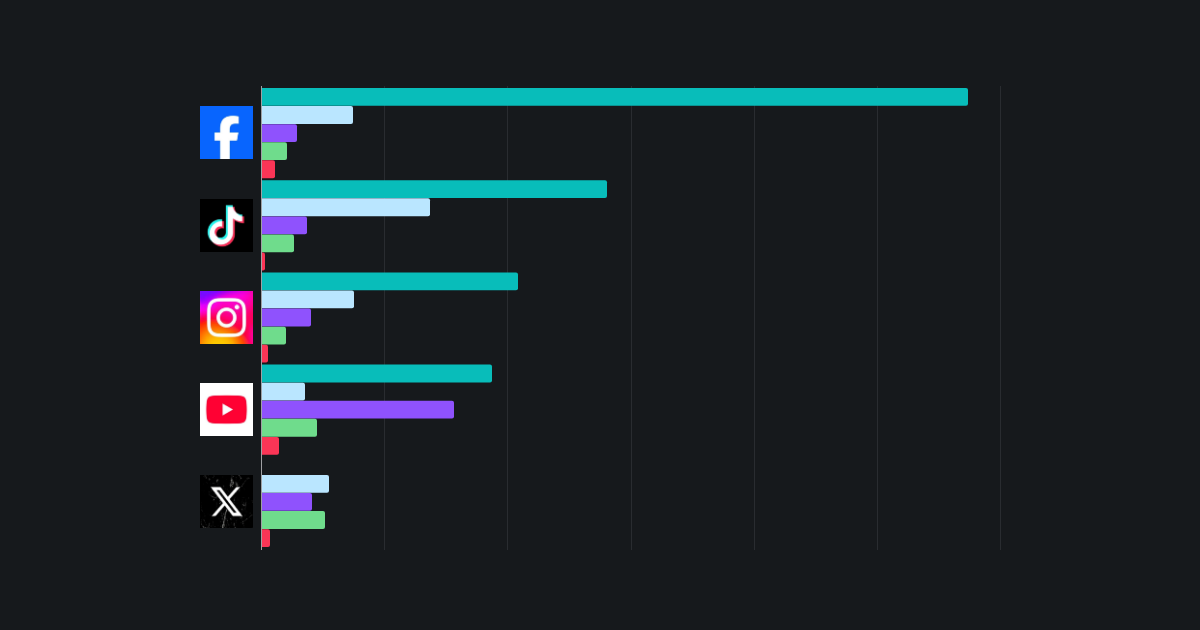 Aug 4, 2026
Fake engagement: 1,000 views just for $1.40
Fake engagement on social media is cheaper than you think. Our study reveals that the number of views or likes does not always indicate genuine public interest.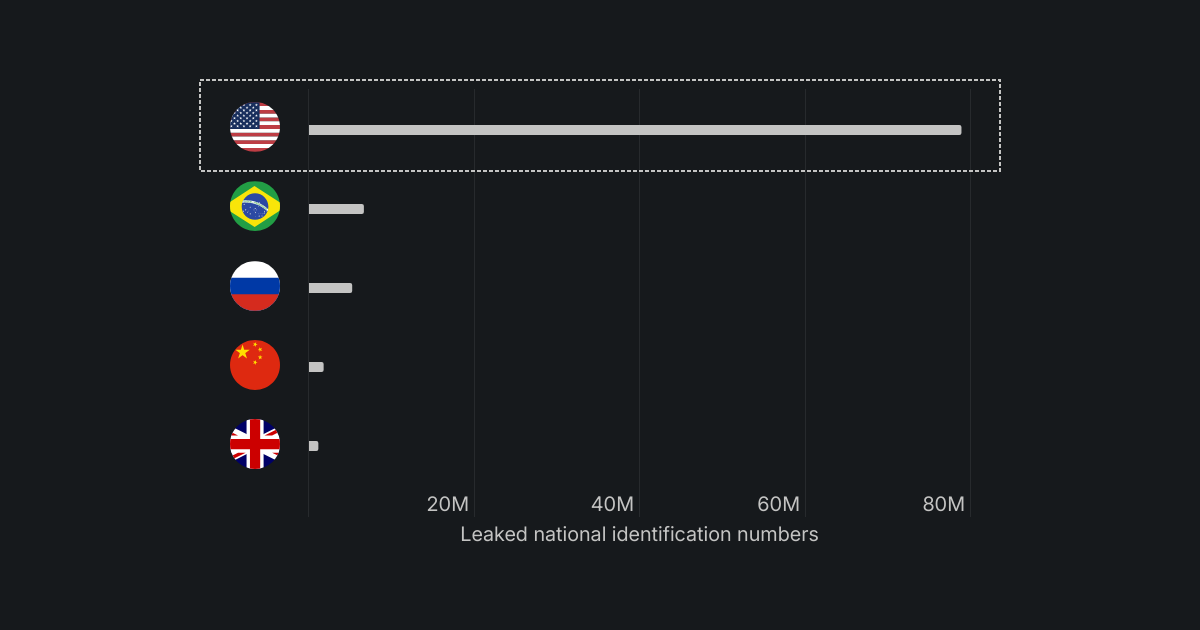 Jun 30, 2026
Millions of national identity numbers leaked online
114M national identification numbers have been leaked globally since 2004. The US, Brazil, Russia, China, and the UK are the most affected countries.